

The Rise of Community-Driven Marketing: Turning Audiences Into Advocates
Community-led growth is the fastest way to earn trust, spark referrals, and keep your brand top of mind without shouting for attention.
Most owners feel the shift before they can fully explain it: traditional Marketing still works, but it feels more expensive, more fragile, and harder to repeat. You can run a strong campaign and still watch results flatten the moment you stop spending. Meanwhile, the businesses growing steadily tend to have something else going on, a community that talks, shares, invites friends, and participates.
That is the heart of community-driven Marketing. Instead of treating people like a cold audience you rent from an algorithm, you treat them like members you build with. When you do it well, your students, clients, or customers do more than buy. Your people advocate.
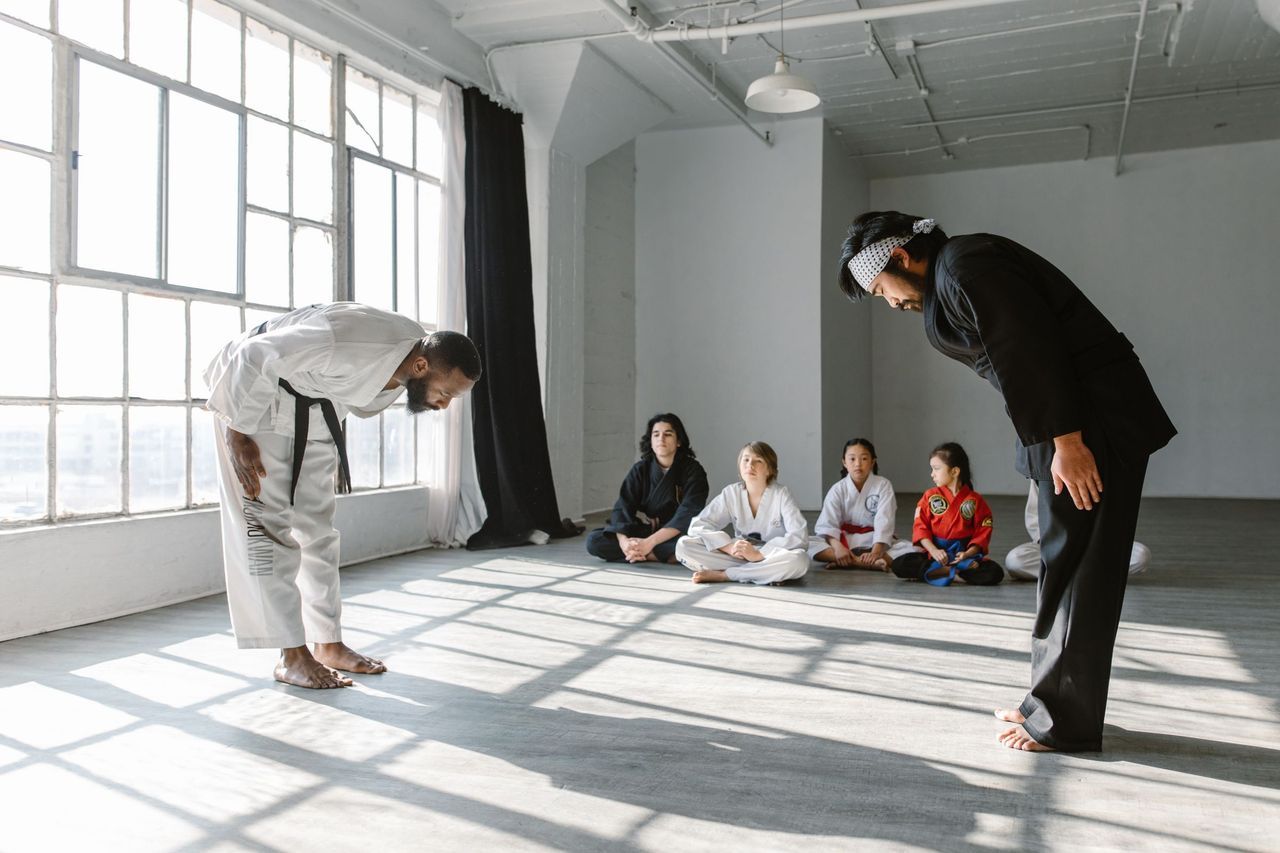
In martial arts especially, this is not a gimmick. Training already creates bonds, inside jokes, progress stories, and identity. Our job is to shape that energy into a repeatable system that increases retention, referrals, and reputation, while still feeling like you.
What Community-Driven Marketing Really Means
Community-driven Marketing is not just posting more, starting a group chat, or hoping user-generated content happens by accident. It is a strategy where your customers actively help shape the brand story through conversation, co-creation, and social proof.
Three elements show up in every community-led system we build:
Co-creation instead of broadcasting
Your community wants a say. Not in every decision, but in the parts that affect their experience: class themes, seminar topics, challenge ideas, even merchandise. The moment someone contributes, your brand stops being a feed and becomes a place.
Participation over polish
Platforms increasingly reward content that sparks comments, saves, shares, and stitches. Authentic posts, quick clips from the mat, member spotlights, and real feedback frequently outperform perfectly edited ads because the algorithm can feel the conversation.
Advocacy as the goal
Ads can buy attention, but advocacy earns trust. Research consistently shows that about 92 percent of consumers trust peer recommendations more than advertising, and happy customers recommend to an average of 11 people. That is why community-led Marketing scales in a way a single campaign cannot.
Why This Shift Is Happening Now (And Why It Matters for Your Studio)
A few trends have converged, and martial arts owners feel all of them at once.
First, ad costs have risen while returns often fall. Second, SEO has become harder, slower, and more competitive. Third, social platforms are saturated with AI content, so people crave human signals: real voices, real wins, real faces.
Gen Z has also raised the bar. One-off promotions do not impress. Consistency does. If your brand only shows up when you are selling something, your audience reads that instantly. Community-driven Marketing flips the script by making your presence useful and interactive even when nobody is buying today.
For martial arts businesses, this is good news. You already have the raw materials: progress milestones, belt tests, first sparring rounds, tournament prep, nervous beginners who turn into confident regulars. Those are community stories, and stories convert better than slogans.
The Trust Advantage: Why Advocates Beat Ads
If you want one reason to take community-led Marketing seriously, it is trust. When a student tells a friend, “You should train here,” that carries a weight no ad can match. It is not just a recommendation, it is a personal endorsement tied to identity.
We like to think about trust in three layers:
Layer 1: Visible proof
Reviews, comments, tagged posts, and before-and-after stories reduce uncertainty. People want to see that someone like them felt welcomed and made progress.
Layer 2: Repeated exposure
Community content shows up repeatedly: member shout-outs, quick training clips, coaches answering questions, Q and A polls. It is familiar, and familiarity lowers the barrier to taking action.
Layer 3: Invitation
Referrals work because they include an implied path: “Come with me.” When your Marketing supports that invitation with easy links, clear trial options, and a friendly first visit, you multiply the effect.
Brands in other categories have documented major lifts from community-led tactics. Showcasing customer feedback has driven 325 percent increases in conversation rates and huge ROI gains, and structured referral programs have produced conversion rates near 9.7 percent with ROI reaching 20x in some cases. The exact numbers vary, but the pattern is stable: real community signals outperform polished claims.
Community-Driven Marketing in Martial Arts: What It Looks Like on the Mat
Community-driven Marketing works best when it looks like your real culture, not a forced content plan. In martial arts, we can anchor community around moments that already matter to students.
Progress stories as content, not just compliments
A student hits their first clean roundhouse. Someone returns after time away. A shy teen leads warmups for the first time. These moments are small in the room, but powerful online. When you share them with permission, you communicate belonging and momentum.
Rituals that create identity
New member intros, monthly skill themes, attendance streaks, team photos after hard sessions, end-of-class acknowledgments. Rituals become shareable. People do not share “a class,” they share “our thing.”
Challenges that invite participation
A simple weekly challenge can generate more engagement than a month of generic posts. Think technique-of-the-week clips where students submit attempts, or a conditioning ladder where everyone posts their time. The key is that students contribute, not just watch.
How to Shift From Campaigns to Ongoing Engagement
If your Marketing has been mostly campaign-based, the transition to community can feel like you are losing control. In practice, you gain consistency and predictability because engagement becomes a habit, not a one-time spike.
Here is the framework we use to make the shift clean:
1. Build a community content rhythm
You want a repeatable schedule that your audience can almost predict, in a good way. For example, Monday tip, Wednesday member spotlight, Friday behind-the-scenes, weekend Q and A.
2. Create participation prompts
Instead of “Here is our schedule,” ask “Which class time helps you train consistently?” Instead of “We teach self-defense,” ask “What scenario would you like us to break down next?” Prompts train your audience to talk back.
3. Use your best students as your best signal
Not influencers with big numbers, but real members with genuine presence. Micro-advocates often drive the highest quality referrals because your community trusts them.
4. Tie engagement to a next step
Community posts should still lead somewhere practical: the trial link, the class schedule page, the beginner guide, the FAQ. The tone stays human, but the path stays clear.
Platforms That Reward Community Right Now
We design community-driven Marketing to fit how platforms behave, not how we wish they behaved.
Reels, stories, polls, and comment threads reward consistent participation. Student spotlights and short technique breakdowns work well because they invite saves and shares.
TikTok
Raw, real, fast. Quick coaching moments, day-in-the-life clips, and beginner questions tend to perform because they feel honest. Over-produced videos can work, but they rarely beat authenticity for long.
If you run a martial arts brand with a leadership angle, youth development, or coaching philosophy, LinkedIn can be powerful. The conversation style matters here: thoughtful posts, wins, lessons, and community outcomes.
You do not need every platform. You need the one or two where your people already pay attention, and then you show up with consistency.
A Practical Community Playbook You Can Run This Month
To keep this grounded, here is a simple set of actions we use to turn passive followers into active participants. This is not complicated, but it does require follow-through.
- Member spotlights that focus on a specific win, like first month consistency, first belt test, or returning after a long break
- Weekly polls that let students vote on technique topics, workshop themes, or conditioning finisher ideas
- Referral rewards that feel aligned with training, like free private sessions, gear credits, or guest passes for friends
- Short feedback loops where you share a student quote or review, then invite others to add their experience in comments
- Community challenges that run 7 to 14 days and encourage daily check-ins, even simple ones like attendance streaks
Notice the common thread: participation. This is Marketing that makes the student feel seen.
Measuring Success Without Killing the Vibe
Community-led Marketing should feel human, but we still track it like professionals. Otherwise, you cannot scale what works.
We like to measure in three buckets:
Engagement quality
Comments that show intent beat vanity likes. Saves, shares, replies, and DMs matter because they signal trust and curiosity.
Conversion lift
Track how many trials, intros, or consultations come from community posts versus ads. Even simple tracking, like a specific link or a unique landing page, clarifies what drives action.
Loyalty signals
Loyalty is built over time, and research suggests about 37 percent of consumers need five purchases to become loyal. In a studio context, you can treat that as five visits, five weeks, or five meaningful touchpoints. Your goal is to guide people to that threshold with onboarding, check-ins, and community recognition.
Building Advocates: The Retention and Referral Loop
Advocacy is not a lucky outcome. It is a loop you can build.
- Make the first experience easy: clear directions, simple onboarding, and a welcoming vibe from the first message
- Create early wins: a beginner path that produces progress quickly and safely
- Recognize consistency: call out attendance streaks and personal milestones in a way that feels genuine
- Ask for participation: invite stories, photos, and feedback at the moments when pride is highest
- Give people a reason to invite: referral rewards, guest events, bring-a-friend weeks, and shareable challenges
This loop is where community-driven Marketing becomes sustainable. It is not dependent on constant ad spend, and it aligns with what martial arts is already about: progress together.
Let the follow-up run without you
Every idea above only pays off when someone answers the lead the moment it comes in and keeps following up until the trial is booked. That is the job More Students Less Work does for you: an AI front desk that replies by text and email from your own answers, follow-up that keeps going, and trial bookings that land on your calendar. Meta ads or a template website are available as options. It is a Ground Standard product, led by Michael Spyrou, for school owners who want the sales system handled without running it themselves.
Book your setup call with Michael and bring your current offer and class schedule. Schools that want everything handled by one agency team go through Ground Standard Agency.
Related reading
- Start with the guide: How Hyperlocal Marketing Connects Brands With Neighborhood Consumers
- How Conversational Marketing Builds Authentic Customer Relationships
- 5 Steps to Building a High-Impact Marketing Funnel That Converts
- Service: Reviews and local SEO
- All Marketing articles
- Ground Standard Agency, for schools that want the full service: The Power of Sensory Marketing: Engaging Customers Beyond the Screen
- Source: the U.S. Small Business Administration on marketing and sales
More Students Less Work is a Ground Standard product. When a school wants the full agency behind it, Ground Standard Agency is the next step.
Part of the topic Martial Arts Reviews and Local SEO.



Start your 30‑day free trial.
Experience what the Core Package of the Packed Mats System can do for your school, set up for you.
- The signature automated AI sales system
- Set up and integration
- Access to the platform
- Onboarding and training videos
- No hidden fees