
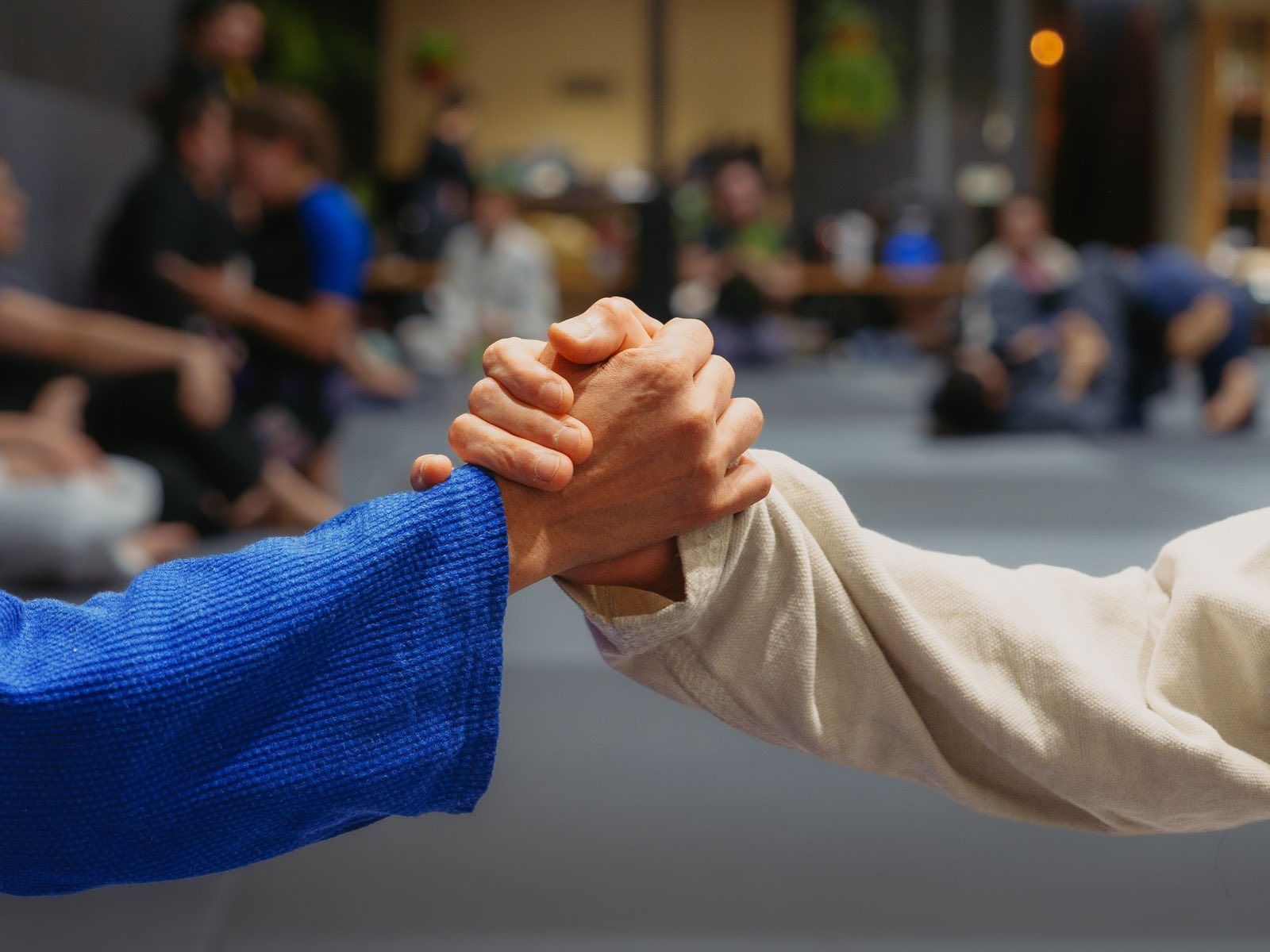
How Hosting Fun Birthday Parties Drives Community Engagement for Kids Programs
A well-run kids party can be the moment families stop scrolling and actually experience what your program feels like in real life.
If you run kids programs in your area, you already know attention is the scarce resource, not interest. Parents want their children active, confident, and around positive influences, but their calendars fill up fast, and online ads blur together. That is why we treat birthday parties as a lead source for kids programs, not as a side offering you tack on when business is slow.
A birthday party puts our work on display in a way a flyer never can. Families see our space, meet our team, watch how we manage a room full of kids, and get a real sense of what training looks like. When we design the party intentionally, it becomes community engagement first and an enrollment pathway second, which is exactly how it should feel.
The party is the acquisition experience, but follow-up is the conversion system
A party can be profitable on its own, but we build it like an acquisition experience. In practical terms, that means we design everything around two outcomes at the same time:
- The kids have an awesome, safe, high-energy experience
- The parents leave with clarity about what our kids program actually does and how to try it
If we do only the first part, we get compliments, photos, and maybe a nice review. If we do both parts, birthday parties as a lead source for kids programs becomes measurable. Not hype, not guesses, measurable.
What makes this work is not pressure at the party. It is structure after the party: a thank-you message, a recap, and one clear next step that feels genuinely helpful, like an introductory class or a short trial window.
What makes martial arts birthday parties feel different in person
People often assume martial arts parties are about wild sparring or kids bouncing off the walls. We do not run it that way. The best martial arts birthday parties feel organized, inclusive, and beginner-friendly, even when half the guests have never stepped on a mat before.
A good party showcases things parents care about but rarely get to see from an ad:
Confidence building without cheesy speeches. Kids try something new, succeed quickly, and get recognized for effort.
Positive structure. The group transitions smoothly from game to drill to challenge, and that calm control is honestly what many parents notice first.
Real coaching. Parents can hear how we correct gently, demonstrate clearly, and keep everyone participating, not just the loudest kid.
Teamwork. Martial arts is individual progress, but parties can be built around partner games and team challenges so no one feels singled out.
For us, this is where birthday parties as a lead source for kids programs turns from a theory into a lived experience. Parents are not asked to imagine outcomes. They watch them happen.
Designing a beginner-friendly party that includes every guest
The hidden challenge of kids parties is range. You can have a confident eight-year-old next to a shy six-year-old who needs a minute, plus an athletic kid who wants to sprint everywhere. We plan for that from the start.
We keep the activities simple to understand, quick to rotate, and easy to scale up or down. That way every child gets wins. And yes, we pay attention to sensory needs, too. Loud chaos is not the goal. Fun is, but fun can still be organized.
A simple party flow that keeps energy high and stress low
We usually structure the experience so it feels like a story rather than a random set of games:
- Welcome and orientation so kids know where to stand, how to listen, and what the rules are
- Movement warm-up that looks like play but prepares bodies to move safely
- Skill-based games using age-appropriate strikes, balance work, and coordination drills
- Challenges and stations so kids rotate and stay engaged, even with mixed skill levels
- A short demonstration moment that highlights focus, respect, and control
- Birthday child celebration and a cool takeaway, like a certificate
- Transition to cake, photos, and parent pickup with clear timing
This kind of flow supports martial arts birthday parties specifically because martial arts already has built-in structure. We use that structure to help kids feel safe quickly, which is the fastest route to real fun.
Safety, supervision, and the details parents actually ask about
When parents inquire, the questions are refreshingly practical. How many kids can come. Do parents need to stay. What is included. What about allergies. What if a child gets nervous and opts out.
We address those upfront because safety is not a footnote, it is part of the product. We build our parties with clear boundaries around contact, age-appropriate activities, and instructor control. Nobody should leave with the feeling that it was “a little too much.” A great party ends with tired smiles, not stress.
We also make it easy to understand what is included. Parents should not have to chase down details like timing, cleanup, or how early to arrive. Clear expectations reduce friction, and less friction means more bookings, which matters if you are treating birthday parties as a lead source for kids programs.
Capturing leads ethically: turning a guest list into a permission-based list
There is a right way and a wrong way to do lead capture. The wrong way is to grab contact info and start blasting messages. The right way is to collect only what we need for safety and logistics, then offer an opt-in that is explicit and respectful.
In practice, that means:
- Liability waivers or registration forms for participants
- A photo release choice, not an assumption
- A clear opt-in for follow-up about a trial class or kids program introduction
- Honest language about what we will send and how often
When we do it like this, families feel respected. And we still end up with a strong list because many parents genuinely want the details once their child has had a good experience. That is one of the biggest reasons birthday parties as a lead source for kids programs is so effective: the interest is earned in person.
The follow-up sequence that turns a fun day into future attendance
The party ends, kids go home, and life gets busy again. If we wait a week, momentum disappears. Our best results come from a short, simple follow-up sequence that respects attention spans.
Here is a practical cadence we like:
- Within 24 to 48 hours: thank-you message and a short recap of what the kids did
- If parents opted in: a photo or highlight moment, plus one clear introductory offer
- A reminder near the end of the offer window, with an easy way to book
We keep it light. No guilt. No pressure. The tone matters. The offer should feel like, “If your child loved this, here is the next step,” not “Buy now.”
This is also where a martial arts school holiday promotion can plug in naturally. If a party happens in late spring, we can connect the follow-up to a summer program. If a party happens in August, we can connect it to back-to-school routines. The calendar does a lot of the work for us if we pay attention.
Seasonal momentum: using parties to support year-round enrollment
Parties are not evenly distributed across the year. Families plan around school schedules, sports seasons, and holidays. Instead of fighting that, we align with it.
A strong martial arts school holiday promotion plan can include:
Spring: parties that tee up summer camp style programming and confidence goals before school ends.
Summer: parties that double as a preview for camp weeks or a structured routine when school is out.
Back-to-school: parties that naturally lead into focus, discipline, and “new year, new habits” messaging, without making it corny.
Winter break windows: parties and short trials that help parents fill long days with structured activity.
When birthday parties as a lead source for kids programs is built into your seasonal plan, you get compounding value. Even if a guest does not join immediately, you now have a relationship and a positive memory tied to your program.
What we track so you can prove parties are working
If you cannot measure it, you cannot improve it. We like to keep the tracking simple, but real. We want to know what is happening from first inquiry to eventual enrollment.
These are the core numbers we recommend tracking:
- Inquiry to booking rate, so we know if the party page and process are working
- Average party revenue, to understand immediate return
- Number of new families attending, not just total guests
- Trial class redemption rate, because that is the bridge to enrollment
- Trial to enrollment rate, to understand program fit and sales process
- Party lead source, so we know what marketing is actually producing bookings
We avoid promising a universal conversion rate because it depends on execution, timing, and the offer. But we can absolutely build a baseline and improve it over time. That is the point.
Let the follow-up run without you
Every idea above only pays off when someone answers the lead the moment it comes in and keeps following up until the trial is booked. That is the job More Students Less Work does for you: an AI front desk that replies by text and email from your own answers, follow-up that keeps going, and trial bookings that land on your calendar. Meta ads or a template website are available as options. It is a Ground Standard product, led by Michael Spyrou, for school owners who want the sales system handled without running it themselves.
Book your setup call with Michael and bring your current offer and class schedule. Schools that want everything handled by one agency team go through Ground Standard Agency.
Related reading
- Service: Martial arts lead conversion
- All Lead Gen articles
- Try A Martial Art, the student directory where families compare schools: tryamartialart.com
- Source: the U.S. Small Business Administration on marketing and sales
More Students Less Work is a Ground Standard product. When a school wants the full agency behind it, Ground Standard Agency is the next step.
Part of the topic Martial Arts Lead Conversion.
Keep reading
More on lead gen.


Start your 30‑day free trial.
Experience what the Core Package of the Packed Mats System can do for your school, set up for you.
- The signature automated AI sales system
- Set up and integration
- Access to the platform
- Onboarding and training videos
- Six-month agreement, no hidden fees